
Women’s Health & Fertility
Conception, IVF, pregnancy and menopause care
Promoting overall wellbeing and supporting your unique needs in women’s health and fertility
Women’s Health and Fertility
Conception, IVF, pregnancy and menopause care
Fertility acupuncture
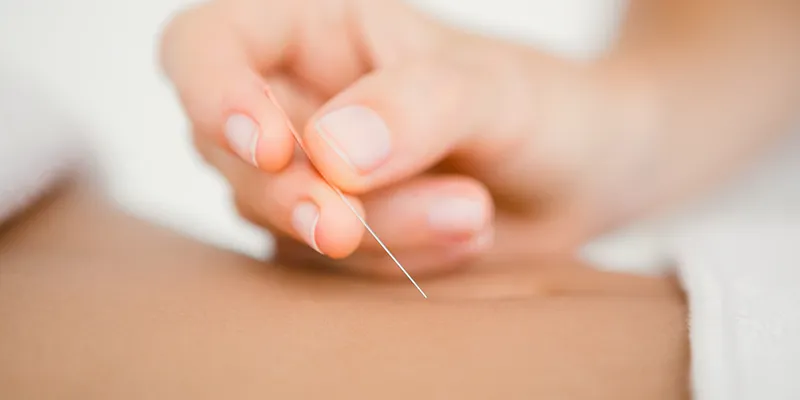
Fertility acupuncture is a gentle and holistic approach to enhancing your chances of conception. By inserting thin, sterile needles into specific acupoints, it can:

Regulate menstrual cycles
Acupuncture addresses issues like irregular periods, infrequent ovulation,
Improve blood flow
Acupuncture increases blood flow to the reproductive organs, including the ovaries.

Reduce stress and anxiety
Fertility struggles can be emotionally taxing, leading to increased levels of stress and anxiety.

Support sperm health
Studies suggest acupuncture may improve sperm quality and motility in men.
Fertility acupuncture is often used alongside conventional fertility treatments like IUI (Intrauterine Insemination) or IVF (In Vitro Fertilisation) to potentially improve their success rates. Integrating acupuncture with these treatments can enhance their effectiveness by addressing underlying issues that might hinder conception. For example, acupuncture can help reduce the side effects of fertility medications, improve ovarian response, and increase the likelihood of successful embryo implantation.
IVF acupuncture
IVF (In Vitro Fertilisation) can be a complex and emotionally challenging process. Acupuncture can serve as a valuable complementary therapy during IVF by:
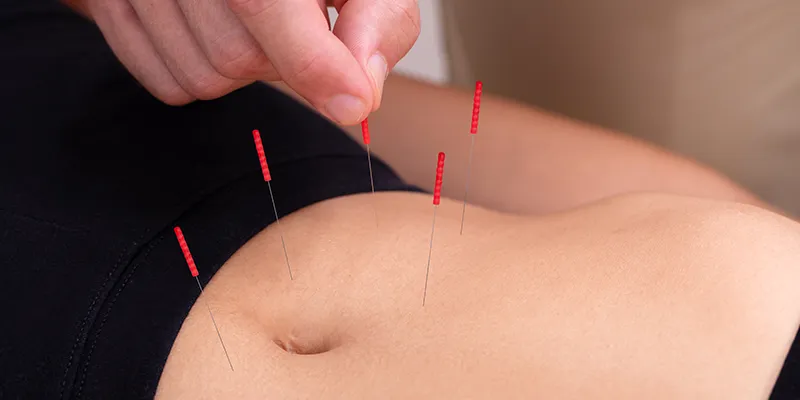
Enhancing egg quality: Acupuncture may improve the number and quality of eggs retrieved for IVF. Better egg quality can increase the chances of successful fertilisation and embryo development. By stimulating specific acupoints, acupuncture can help regulate hormones and improve ovarian function, leading to healthier eggs.
Increasing blood flow to the uterus: Enhanced blood flow to the uterus creates a more receptive lining for embryo implantation. A thick, well-vascularised endometrium is crucial for the embryo to attach and grow. Acupuncture helps improve circulation, ensuring the uterine lining is optimal for receiving and nourishing the embryo.
Aligning with your IVF cycle: It is crucial to communicate your IVF cycle with your acupuncturist to ensure treatment aligns with each stage of the process. Acupuncture protocols are often tailored to the specific phases of your IVF cycle, such as:
Pre-stimulation phase: Preparing your body for the stimulation medications.
Stimulation Phase: Enhancing the response to medications and improving egg quality.
Post-Egg Retrieval Phase: Reducing discomfort and promoting recovery after egg retrieval.
Post-embryo transfer phase: Supporting implantation and reducing stress to increase the chances of successful implantation.
By working closely with your acupuncturist, you can optimise the benefits of acupuncture throughout your IVF journey, potentially improving your chances of a successful pregnancy.
Pregnancy acupuncture
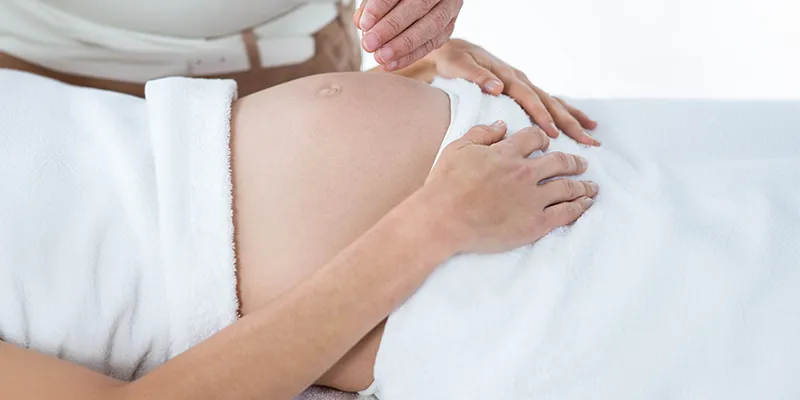
Pregnancy is a time of immense joy and transformation. Acupuncture can provide much-needed support throughout this journey by:
Managing back pain and other pregnancy discomforts: Acupuncture can address common pregnancy aches and pains like back pain, sciatica, and fatigue. As your body changes and your centre of gravity shifts, it can put extra strain on your back and joints. Acupuncture helps alleviate this discomfort by reducing inflammation, improving circulation, and releasing tension in muscles and ligaments, providing you with relief and improving mobility.
Breech presentation: Studies suggest acupuncture, particularly when combined with moxibustion (a therapy involving the burning of mugwort near specific acupuncture points), may help turn breech babies into a cephalic (head-down) position before birth. This technique stimulates uterine activity and encourages the baby to move into the optimal position for delivery, potentially reducing the need for a cesarean section.
Labour preparation and induction: Acupuncture can be used to prepare the body for labour and, if necessary, to help induce labour. Acupuncture helps soften the cervix, stimulate uterine contractions, and promote hormonal balance, making labour more efficient and less stressful.
Emotional support: Pregnancy can bring about a range of emotions, from joy and excitement to anxiety and mood swings. Acupuncture supports emotional balance by regulating neurotransmitters and hormones, helping you feel more stable and positive during this transformative time.
Postpartum recovery: Acupuncture can also aid in postpartum recovery by helping to restore your body’s balance, manage postpartum depression and anxiety, promote milk production, and support overall healing.
While acupuncture is generally safe during pregnancy, it is essential to consult with your doctor and acupuncturist beforehand to ensure the treatment plan aligns with your specific needs. Working with a qualified acupuncturist who has experience in prenatal care ensures that the treatment is tailored to support your health and the health of your baby throughout your pregnancy journey.
Menopause and perimenopause
The transition into menopause and perimenopause involves significant hormonal fluctuations and physical changes. Acupuncture offers a natural approach to managing these symptoms by:

Hot flashes and night sweats: Acupuncture can significantly reduce the frequency and intensity of hot flashes. It works by regulating the body’s temperature control mechanisms and balancing hormonal levels. Specific acupuncture points help stabilise the autonomic nervous system, which can reduce the occurrence and severity of hot flashes and night sweats.
Sleep disturbances: Many women experience sleep disturbances during menopause, such as insomnia or frequent waking. Acupuncture promotes relaxation and deeper sleep by calming the nervous system and improving overall sleep quality. It helps regulate sleep patterns by addressing underlying issues like anxiety or hormonal imbalances that may be contributing to sleep problems.
Vaginal dryness: Acupuncture can improve blood flow to the pelvic region, which may help alleviate vaginal dryness. Enhanced circulation supports the health of the vaginal tissues, potentially increasing natural lubrication and reducing discomfort. This can improve sexual health and overall comfort during menopause.
Acupuncture provides a holistic approach to managing menopause and perimenopause symptoms, addressing both physical and emotional aspects of this transition. For optimal results, it is essential to work with a qualified acupuncturist who can tailor the treatment to your specific needs and health conditions.

What to expect during acupuncture treatment
Acupuncture treatments are generally well-tolerated and involve the insertion of thin, sterile needles at specific points on the body. Here’s a detailed overview of what to expect during a typical acupuncture session:
1. Initial consultation: Your first appointment will include a comprehensive consultation to understand your health history, current concerns, and treatment goals. The acupuncturist will ask about your symptoms, lifestyle, and any existing medical conditions to develop a personalised treatment plan tailored to your needs.
3. Needle insertion: During the treatment, you will lie down comfortably while the acupuncturist inserts thin, sterile needles into specific points on your body. These points are selected based on your individual condition and goals. The needles are usually inserted just below the skin’s surface and are often so fine that you may not feel significant discomfort.
4. Sensations during treatment: You might experience a sensation of mild tingling, warmth, or heaviness at the needle sites. These sensations are generally brief and are often considered a normal part of the acupuncture process. Most people find the treatment relaxing and calming.
5. Duration of treatment: The needles typically remain in place for about 15 to 30 minutes. During this time, you are encouraged to relax and remain still. Some people may fall asleep or feel deeply relaxed during the session.
7. Frequency of sessions: The number and frequency of acupuncture sessions will depend on your condition and treatment goals. Initially, you may need more frequent sessions to achieve desired results, with sessions potentially tapering off as your symptoms improve.
8. Communication with healthcare provider: Acupuncture is a complementary therapy and should not be used to replace conventional medical treatments. Communicate with your healthcare provider about your acupuncture sessions to ensure a well-coordinated approach to your health. Informing your provider helps integrate acupuncture with your overall treatment plan, especially if you are undergoing other medical treatments or have chronic health conditions.